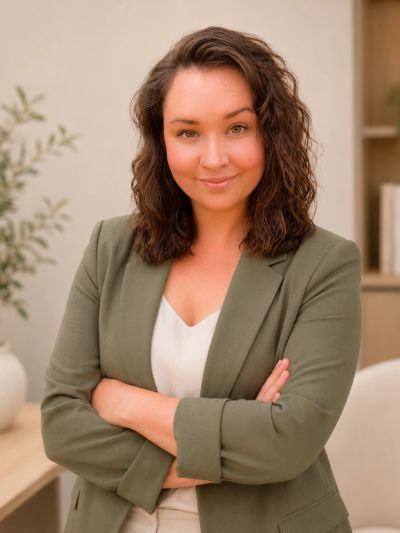
Sarah Hooper created The NeuroNourished Table Method™ for children, teens, and adults whose eating has often been misunderstood, particularly in the context of neurodivergent nutrition methods.
Note from Sarah:
"In my work, I kept seeing the same gap: families were being advised to increase variety, reduce safe foods, or push through resistance, while critical factors like the nervous system, sensory body, gut symptoms, interoception, and lived experience were being excluded from the conversation.
This neuroaffirming feeding support method is my way of bringing those essential pieces back to the table. It honors safety, autonomy, access, and dignity while emphasizing the importance of nutrition, growth, gut health, energy, and long-term wellbeing.
The goal is not to make eating appear neurotypical; instead, the focus is on making nourishment safer, more accessible, and sustainable for the individual in front of us."

Start with a FREE naturopathic call if you are unsure!
I put together this frequently asked question section because I get asked these questions a LOT! The bonus is, you can also see how we work together and my values.
For neurodivergent families, meals might not look conventional, and that is completely okay. Everyone may be eating something different. One child might need to move around while they eat, while another may prefer less conversation, softer lighting or a quieter place to sit. Meals might happen at the table, on the couch, outside or at slightly different times. There is no single right way for a family meal to look. What matters most is that children feel safe, included and able to eat in a way that works for their body.
A successful meal will look different for every family and may change from one day to the next. It might mean your child ate enough to feel comfortable. It might mean they remained near a new food without becoming distressed. It might mean everyone sat together for five minutes, or that your child communicated what their body needed. Success is not measured by an empty plate, perfect sitting or trying something new. Sometimes success is simply that food was available and your child felt safe.
Not at all! Meals can include leftovers, frozen foods, toast, cereal, takeaway or foods assembled from the fridge. Feeding a family consistently takes time, energy and planning, and neurodivergent households may already be managing significant physical and emotional demands. A simple meal that everyone can manage is still a valid meal.
Sometimes eating separately is what a child needs. The smells, sounds, lighting, movement and conversation involved in meals can become overwhelming, particularly after a demanding day. Eating in a quieter space or at a different time may allow your child to eat more comfortably. Connection can still happen before or after the meal, through preparing food together, sharing a snack or spending time in the same room.
No. Offering a familiar food gives your child something they know they can eat.
When children trust that there will be food available that feels safe, they are often better able to remain near unfamiliar foods without feeling threatened or pressured.
Safe foods can sit alongside the rest of the meal without becoming a reward or something your child has to earn.
Copyright © 2026 The Neurodivergent Naturopath ABN: 30840192785 ANTA: 30436
Email: sarah@neurodivergentnaturopath.com.au
We use cookies to analyze website traffic and optimize your website experience. By accepting our use of cookies, your data will be aggregated with all other user data.